Tomas Albrektsson: Success and failures of oral implants - what has been learned?
Dr. Albrektsson reviews the success and failure of oral implants related to patient influences, surgical techniques, implant designs and the locations of implant placement. The literature behind the success of the Ti-Unite surface oral implants is reviewed demonstrating the long...
Reena Talwar Povoledo: Do’s and Don’ts related to available soft and hard tissue morphology. Need for guided bone regeneration
In order for a patient to receive a properly placed implant with a functional and esthetically successful restoration, the clinician must be aware of the anatomical limitations of the maxillo-mandibular complex.
The goal of this presentation is to provide the clinician with...
Sanda Moldovan: Decision-making process for completely edentulating patients
With more than 178 million Americans missing at least one tooth, there's a great need for identifying dental implant solutions with long-term stability. Instead of treating tooth by tooth, the dental practitioner should assess the mouth functioning as a whole.
The primary goal is a proper oral function. This implies not only chewing but also speaking, smiling. Patients’ adaptability varies enormously. Some are satisfied with removable dentures, others object to the esthetics of...
This is the reversible inflammatory process in the soft tissues around functioning implants. Peri-implant mucositis occurs in almost 60% of subjects (± 30% of sites), restored with implants. Diagnosis is stated by clinical examination: redness, ...
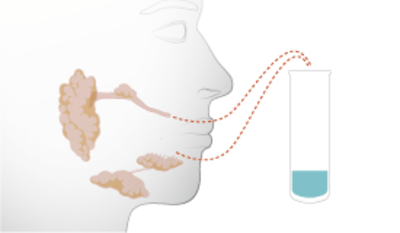
Saliva plays a significant role in the preservation and maintenance of oral health and function. It supports digestion by preparing food for mastication and swallowing, contributes to taste perception, facilitates speech communication and provides oral tissues...
Edentulism as a consequence of (sub)total agenesis of deciduous and/or permanent teeth in children and adolescents is extremely rare. It is commonly a component of a generalized underlying condition such as ectodermal dysplasia. There are...
Risk assessment & special high risk categories, overview
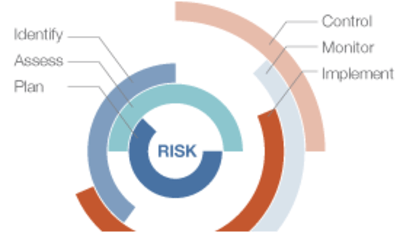
A thorough risk assessment forms the cornerstone of successful patient treatment. Four key sources of information permit the clinician to identify pertinent risks and to determine the seriousness of each risk...
The key questions in a complete anamnesis are related to: mouth opening, salivary output, presence of mucosal diseases, gingival health, signs of previous periodontal surgeries, tooth hypermobility, TMJ problems, orthodontic...
In order to provide adequate treatment and meet patient satisfaction, it is crucial to evaluate patient expectations. These expectations normally fall into one or more of four categories: function, comfort, esthetics and...
Björn Klinge: Is there a connection between previous periodontitis and later peri-implantitis
A consensus statement is an agreement on currently available knowledge and may shift over time based on new evidence. Today there are solid data that there is an association between history of periodontitis and later peri-implant inflammation and infection. However this finding...
Ken Parrish: Minimizing complications with full-arch immediate provisionalization
What can go wrong when restoring a full-arch with immediate provisionalization ? Dr Parrish gives insight in the most common complications and pitfalls and how they can be avoided. Often failures are due to human errror. Implant component failures are rare, provided premium quality...
Regina Mericske-Stern: Failing teeth and implants - great variety of treatment options
The lecture discusses the different reasons, why patients loose teeth and the various options for treatment with implant supported restorations. The aspects which need to be considered comprise the reason of tooth loss such as caries, perio disease or apical lesions, and prosthetic...